
Lower heating and cooling costs
Insulating the cavity reduces heat loss in winter and heat gain in summer, so your heating and cooling systems work less to maintain a comfortable temperature.
Essendon Wall Insulation
Cavity wall insulation for brick veneer homes in Essendon reduces winter heat loss and summer heat gain through your walls. We inspect your property, confirm suitability and install insulation through small holes that are patched afterwards.
Share your details and Expert Insulation Melbourne will contact you about Cavity Wall Insulation in Essendon.
Cavity wall insulation fills the gap between the inner and outer leaves of brick veneer walls with insulating material. In Essendon, many postwar and interwar homes have uninsulated cavities that let heat escape in winter and enter in summer. We check your wall type and moisture levels first, then inject insulation to improve thermal resistance without damaging your brickwork.
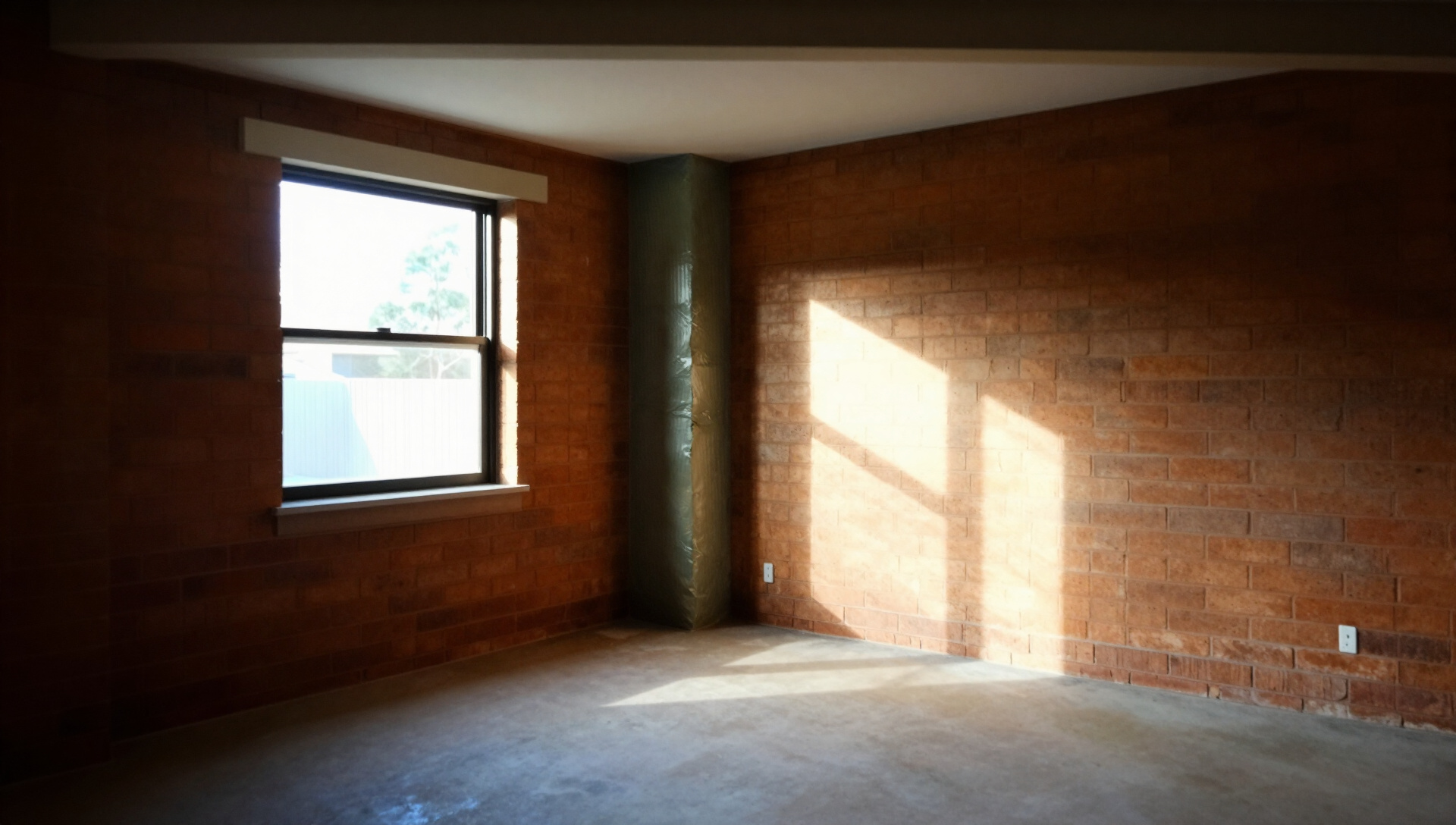
Essendon’s older brick veneer homes often have uninsulated wall cavities that contribute to high heating and cooling costs. Cavity wall insulation addresses this by reducing heat transfer through the walls, improving comfort and cutting energy use.
Insulating the cavity reduces heat loss in winter and heat gain in summer, so your heating and cooling systems work less to maintain a comfortable temperature.
Uninsulated cavities allow air movement that creates draughts and uneven temperatures. Insulation blocks this airflow for a more consistent indoor climate.
Brick veneer walls without insulation can feel cold to touch in winter. Cavity insulation adds a thermal barrier that keeps interior walls warmer in cold months and cooler in hot weather.
The process uses existing wall cavities, so there is no need to remove internal linings or external cladding. Installation is completed from the outside with minimal impact.
Once installed, cavity wall insulation maintains its effectiveness for the life of the building, provided the walls remain dry and free of moisture issues.
Insulation in the cavity also dampens external noise, reducing traffic and neighbourhood sounds that can enter through uninsulated brick veneer walls.
We follow a careful process to ensure cavity wall insulation is suitable for your Essendon home and installed correctly. Each step is designed to avoid moisture problems and maintain the integrity of your walls.
We examine your wall type, construction and condition to confirm that cavity insulation is appropriate. Brick veneer is commonly suitable, while double brick may require different consideration. We also check for signs of moisture or damp that could affect the installation.
A moisture test ensures the cavity is dry before proceeding. We identify the best access points, usually near the base of the wall, and plan the drilling locations to minimise visibility once patched.
Using specialised equipment, we inject insulation material into the cavity through small holes. The material fills the gap evenly without compressing, ensuring consistent thermal performance across the wall.
After installation, we seal the access holes with matching mortar to restore the appearance of your brickwork. The site is left clean, with no damage to your home or garden.
Essendon’s mix of interwar and postwar brick veneer homes often have uninsulated wall cavities that contribute to heat loss and draughts. Cavity wall insulation is a practical upgrade for these properties, improving thermal performance without the need for internal wall linings to be removed. Nearby suburbs like Moonee Ponds and Ascot Vale share similar housing stock, making cavity insulation a common solution in this area.
Improve thermal comfort and reduce energy bills in your Essendon brick veneer home with cavity wall insulation.
Homeowners in Essendon often have questions about whether their walls can be insulated and how the process works. Here are answers to the most common queries.
Cavity wall insulation in Essendon targets the uninsulated gap in brick veneer walls, a common feature in many of the suburb’s interwar and postwar homes. Without insulation, these cavities allow heat to escape in winter and enter in summer, increasing reliance on heating and cooling systems. Insulating the cavity reduces this heat transfer, improving energy efficiency and indoor comfort.
The process begins with a thorough assessment to confirm suitability. Not all wall types are appropriate for cavity insulation, and moisture must be absent to prevent future issues. In Essendon, brick veneer is the most common candidate, with double brick requiring separate evaluation. Once confirmed, insulation is injected through small, strategically placed holes that are later sealed to match the existing brickwork.
Costs for cavity wall insulation in Essendon depend on factors like wall area, access difficulty and the chosen insulation material. Homes with straightforward brick veneer construction and good access typically see the most efficient installations. The long-term savings on energy bills often offset the initial investment, making it a practical upgrade for older properties in the area.
Reduce heat loss and energy costs in your Essendon home with cavity wall insulation. Call Expert Insulation Melbourne on 0399695249 or email info@expertinsulationmelbourne. com. au to arrange an inspection.